The Real Reason Memes Spread So Fast
Memes are more than just jokes on the internet
At first glance, memes seem simple. They’re often just a funny image, a short video, or a clever caption shared across social media. But behind their humor is something surprisingly powerful.
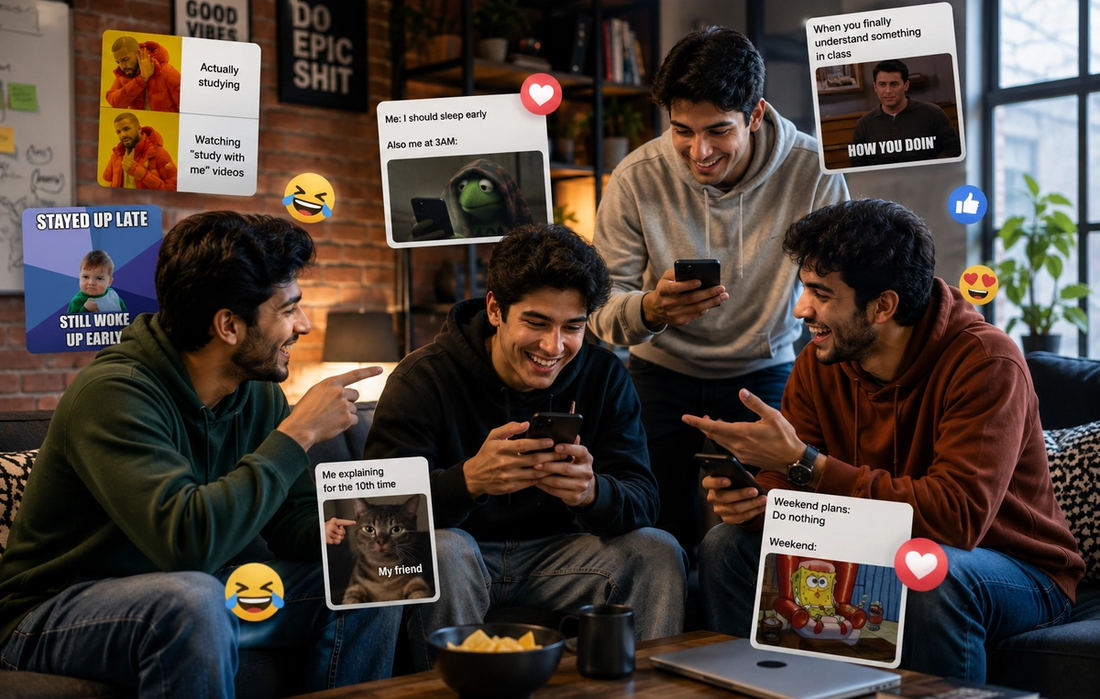
Memes are one of the fastest ways people communicate ideas online. They can capture emotions, comment on current events, explain shared experiences, or make complex topics instantly relatable—all in a matter of seconds.
That’s why memes spread far beyond the people who originally create them. They’re designed to be understood quickly, remembered easily, and shared almost effortlessly.
They rely on emotions, not just humor
People rarely share content because it’s merely informative. They share it because it makes them feel something.
Humor is one of the biggest reasons memes go viral, but it’s not the only one. Memes can also evoke surprise, nostalgia, excitement, frustration, or relief. Sometimes they simply express a feeling that thousands of people have experienced but never quite put into words.
When people recognize themselves in a meme, sharing it becomes a way of saying, “This is exactly how I feel.”
That emotional connection makes memes highly contagious across social networks.
They’re incredibly easy to consume
One reason memes travel so quickly is that they require almost no effort to understand.
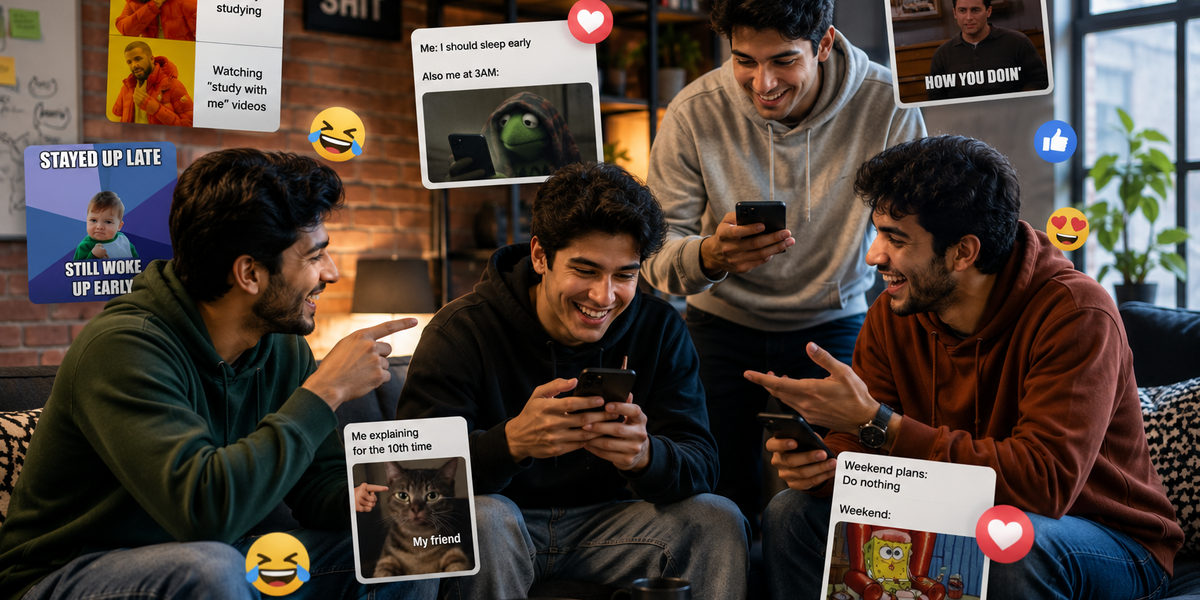
Unlike a long article or video, a meme can usually be interpreted in just a few seconds. The combination of an image and a short caption allows people to process the joke or message almost instantly.
Because they’re quick to consume, they’re also quick to share.
Someone scrolling through hundreds of posts is far more likely to pause for a meme than for a lengthy explanation.
In an online world where attention is limited, simplicity becomes a major advantage.
Shared experiences make memes relatable
The most successful memes often describe situations that millions of people recognize.
Whether it’s struggling to wake up on Monday, forgetting a password, waiting for a package to arrive, or dealing with awkward social interactions, these everyday experiences create an immediate sense of familiarity.
People enjoy sharing memes because they strengthen social connections.
Sending a meme to a friend often says, “I thought of you,” or “We’ve both been through this,” without requiring a long conversation.
In that way, memes function almost like a modern form of social shorthand.
Social media accelerates every trend
Years ago, funny images might have circulated through email chains or online forums.
Today, social media platforms allow memes to reach millions of people within hours. Every share, repost, remix, or reaction introduces them to new audiences, creating a chain reaction that can spread across countries and languages remarkably quickly.
Many memes also evolve as they spread.
People add new captions, adapt them to current events, or combine them with other popular formats, allowing a single joke to generate countless variations while remaining instantly recognizable.
This flexibility helps memes stay relevant—at least for a while.
Brands and businesses have noticed
Memes are no longer created only by internet users.
Many companies now use meme culture in their marketing because it allows them to connect with audiences in a more casual and relatable way. When done well, it can make a brand feel approachable and current.
However, memes move so quickly that businesses face a challenge.
Using an outdated meme can make a company appear disconnected rather than relatable. Successful brands understand the culture behind a meme instead of simply copying its format.
Authenticity matters just as much as timing.
Memes reflect the culture of the moment
Although many memes disappear quickly, they often capture what people are thinking, feeling, or talking about at a particular point in time.
Future generations may look back at today’s memes much the way historians examine political cartoons or popular slogans from earlier eras. They offer snapshots of cultural moments, public reactions, and shared experiences.
In that sense, memes are more than entertainment—they’re part of how people document life online.
A simple format with remarkable influence
It’s easy to dismiss memes as disposable internet humor, but their influence extends much further.
They shape conversations, spread ideas, introduce new phrases into everyday language, and help people connect through shared experiences. Their combination of emotion, simplicity, relatability, and instant shareability makes them one of the most effective forms of communication in the digital age.
Most memes will fade as new ones appear, but the reasons they spread so quickly are unlikely to change. As long as people enjoy sharing ideas that make them laugh, think, or feel understood, memes will remain a powerful part of how we communicate online.