
Why Every Trend Now Lasts Two Weeks Instead of Two Years
Trends have always existed—but they’ve never moved this fast
Fashion, music, slang, technology, and entertainment have always gone through trends. What’s different today isn’t that trends exist—it’s the incredible speed at which they appear, spread, and disappear.
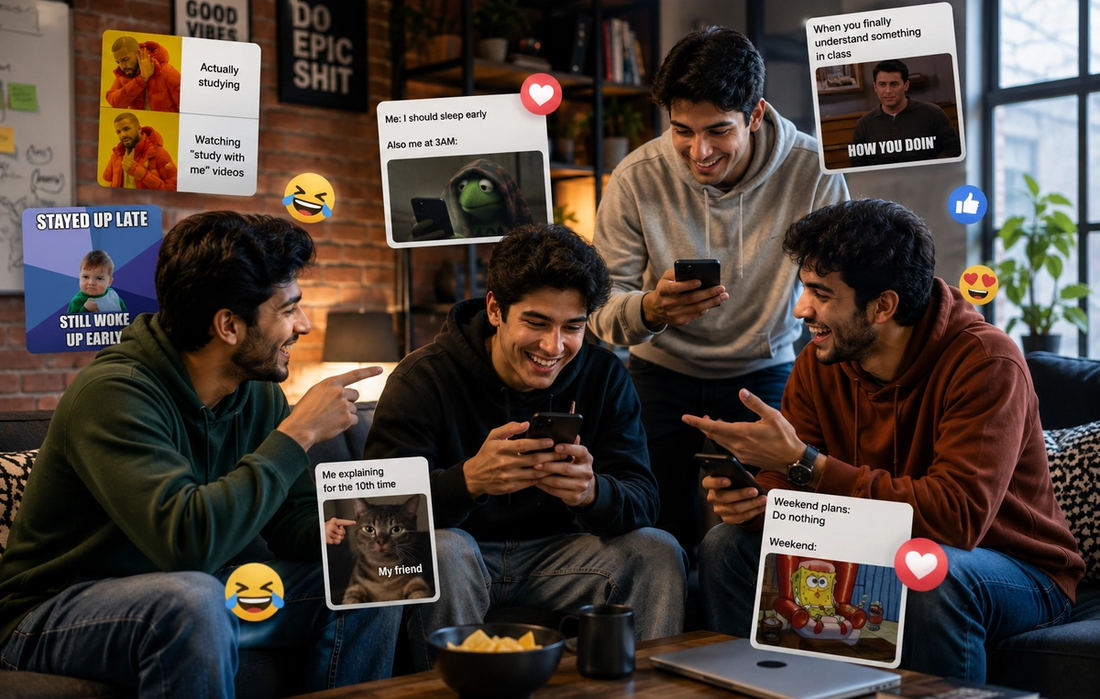
A song can dominate social media for a week and then vanish. A new fashion style can be everywhere one month and feel outdated the next. Internet memes, viral products, and online challenges often seem to have a lifespan measured in days rather than years.
This faster cycle isn’t happening by accident. It’s the result of the way modern technology, social media, and human attention now work together.
Social media rewards what’s new
Most social media platforms are designed to keep users engaged for as long as possible.
One way they do that is by constantly introducing fresh content. Algorithms tend to highlight posts that are new, gaining momentum, or generating strong reactions. As millions of people rush to participate in the latest trend, even more users are exposed to it.
But the same system that helps trends spread quickly also encourages them to fade just as fast.
Once something becomes too familiar, attention shifts to the next novelty. The cycle repeats again and again, making trends feel shorter than ever before.
Anyone can create the next viral moment
Years ago, trends were often driven by television, magazines, celebrities, or large companies.
Today, almost anyone with a smartphone can start something that reaches millions of people.
A creative video, an unexpected joke, a dance challenge, or a clever product demonstration can spread globally within hours. Because millions of people are creating content every day, there’s a constant stream of new ideas competing for attention.
The result is an endless supply of potential trends, making it much harder for any single one to dominate for long.
Our attention has become the most competitive resource
Every day, people are exposed to thousands of pieces of content.
News headlines, videos, advertisements, podcasts, messages, and social media posts all compete for a limited amount of attention. Because there’s far more content than anyone could possibly consume, creators are constantly looking for ways to stand out.
That competition encourages novelty.
People naturally become curious about what’s new, surprising, or unexpected. As soon as one trend becomes familiar, another quickly takes its place.
It’s not necessarily that people become bored more easily—it’s that they’re presented with more alternatives than ever before.
Faster trends influence more than entertainment
Rapid trend cycles don’t just affect social media.
Businesses now respond more quickly to changing customer preferences. Fashion brands release new collections more frequently. Restaurants experiment with limited-time menu items. Technology companies update products and software on a regular basis.
Even workplace practices, marketing strategies, and online communities evolve faster than they once did.
Organizations that can adapt quickly often have an advantage because customer expectations change more rapidly than in previous decades.
Flexibility has become an increasingly valuable skill.
Not everything needs to become a trend
The speed of modern trends can create pressure to constantly keep up.
People may feel they need the newest phone, the latest fashion, or the newest online platform simply because everyone else seems to be moving on.
In reality, most trends disappear far sooner than they arrive.
Many people are finding value in focusing less on what’s currently popular and more on what remains useful over time. Buying quality products, developing lasting skills, building meaningful relationships, and cultivating personal interests often brings greater satisfaction than chasing every new trend.
The most valuable things in life rarely go out of style.
Some ideas outlast the trend cycle
While many trends fade quickly, truly useful innovations often endure.
Smartphones, online banking, streaming services, remote work technologies, and digital payments all began as emerging trends before becoming ordinary parts of everyday life.
The difference is that they solved real problems rather than simply attracting temporary attention.
History shows that lasting change usually comes from genuine usefulness, not short-lived popularity.
The real challenge is knowing what deserves your attention
The pace of modern life isn’t likely to slow down anytime soon. New apps, products, ideas, and viral moments will continue appearing faster than ever before.
That makes one skill increasingly important: learning to separate temporary excitement from lasting value.
Not every trend deserves your time, money, or attention. Some are entertaining for a moment and then quickly forgotten. Others quietly reshape the way we live for years to come.
The goal isn’t to keep up with everything. It’s to recognize which ideas genuinely improve your life and which are simply passing through.
In a world where trends can rise and disappear within weeks, choosing what deserves your attention may be more valuable than trying to follow them all.