Why the World Feels Faster Than Ever (And What to Do About It)
It’s not just your imagination—the pace of life really has changed
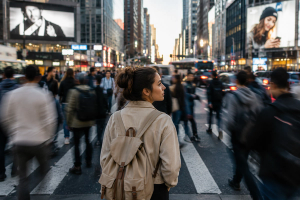
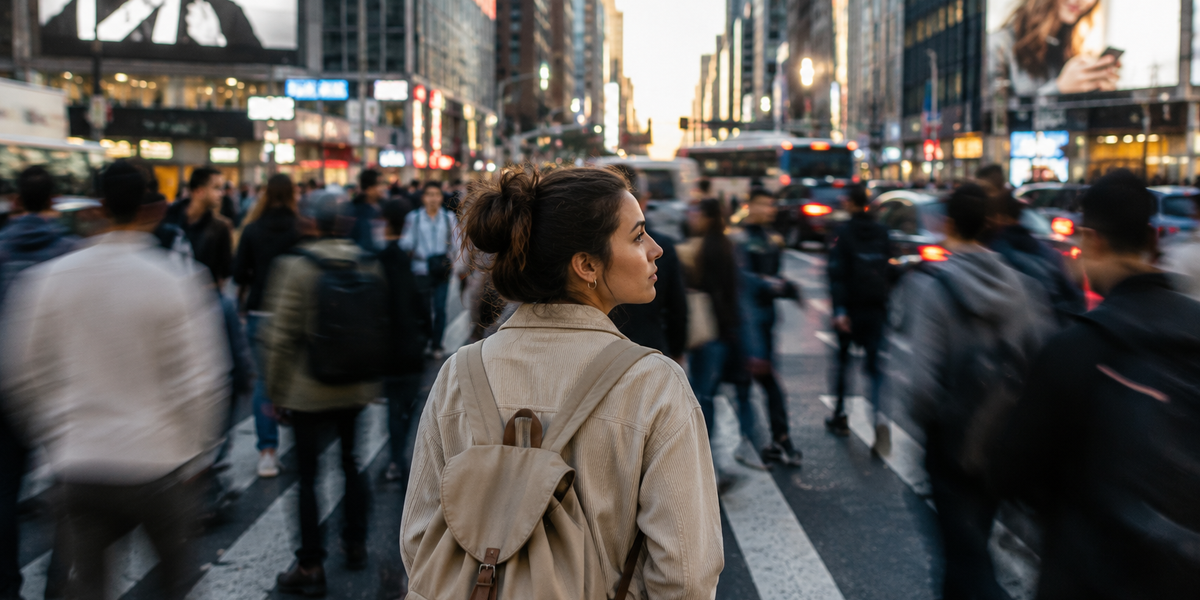
Many people have the feeling that life is moving faster than it used to.
Weeks seem to disappear, news cycles change by the hour, new technologies appear constantly, and it often feels impossible to keep up with everything happening around us. Even moments that should feel relaxing are frequently interrupted by notifications, emails, and endless streams of information.
Part of this feeling comes from getting older, but much of it reflects genuine changes in how we live and work.
Technology has made many tasks quicker, yet it has also increased the number of things competing for our attention every day.
Information never stops arriving
Not long ago, people caught up on the news by reading a newspaper in the morning or watching an evening broadcast.
Today, updates arrive continuously.
Breaking news, emails, text messages, social media posts, podcasts, videos, and work notifications all compete for attention throughout the day. Even when we’re not actively looking for information, our devices constantly invite us to check what’s new.
The result is a feeling that we’re always slightly behind, as though there’s something important waiting just outside our field of view.
Our brains evolved to process information, but not at the pace of the modern internet.
Technology saves time—but often fills it again
One of the great promises of technology was that it would make life more efficient.
In many ways, it has. We can pay bills online, navigate unfamiliar cities instantly, order groceries with a few taps, and communicate across continents in seconds.
But instead of using all that saved time to slow down, we often fill it with more work, more entertainment, more commitments, or more scrolling.
Efficiency has increased, but expectations have grown alongside it.
As one task becomes easier, another quickly takes its place.
Constant comparison makes life feel rushed
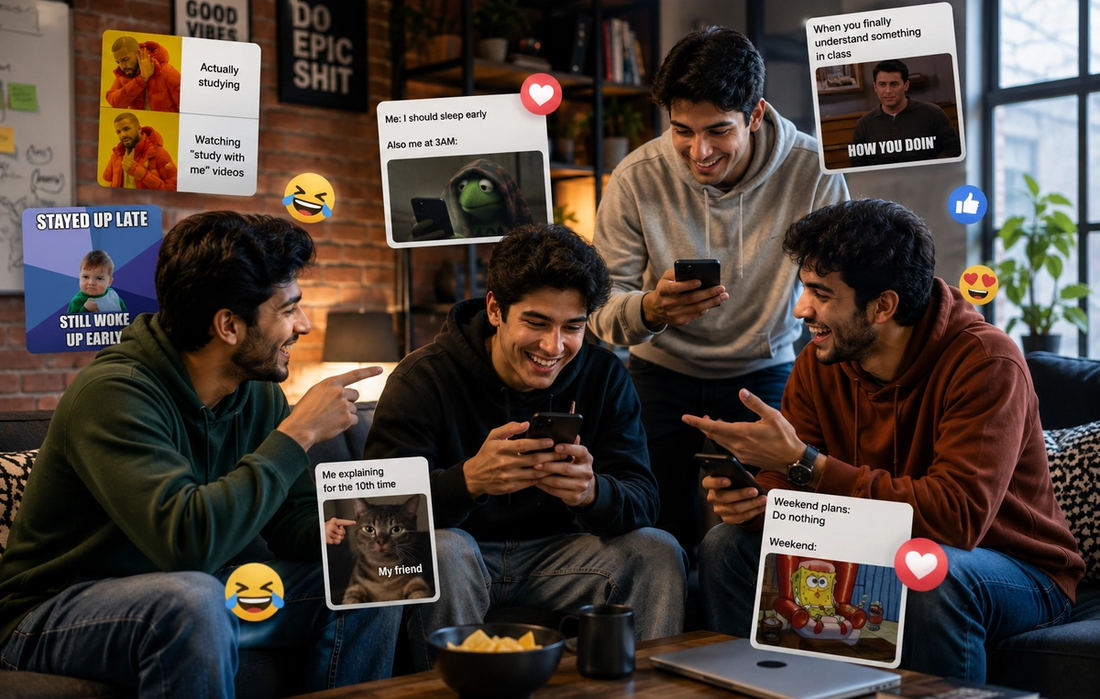
Social media doesn’t just show us what our friends are doing—it exposes us to thousands of people building businesses, traveling, exercising, learning new skills, and celebrating milestones every single day.
Seeing so many achievements compressed into one endless feed can create the impression that everyone else is moving forward faster than we are.
In reality, we’re comparing our ordinary Tuesday to highlights collected from hundreds of different lives.
That comparison can create unnecessary pressure to always be productive, improving, or accomplishing something new.
Multitasking isn’t always helping
Many of us switch between tasks dozens of times each day.
We answer messages while working, listen to podcasts while exercising, check emails during meals, and browse social media while watching television.
Although it feels productive, constantly shifting attention can make time seem fragmented.
Instead of fully experiencing one activity, we’re partially engaged in several at once.
Slowing down isn’t always about doing less. Sometimes it’s about doing one thing well before moving on to the next.
You don’t have to keep up with everything
One of the most freeing realizations is that nobody can stay current with everything anymore.
There are more books than anyone can read, more podcasts than anyone can hear, more videos than anyone can watch, and more news than anyone can follow.
Trying to keep up with everything often leads to feeling overwhelmed rather than informed.
Choosing what deserves your attention is becoming just as important as gaining access to information in the first place.
Missing a trend, a viral video, or a breaking story is usually far less important than protecting your focus and peace of mind.
Slow moments are becoming more valuable
In a world designed to capture attention, quiet moments have become surprisingly rare.
Reading without interruptions, taking a walk without checking your phone, eating a meal without a screen, or spending uninterrupted time with family can feel almost unusual.
Yet these slower experiences often improve concentration, creativity, and emotional well-being.
Rest isn’t simply the absence of work. It’s an essential part of living well.
Creating intentional pauses throughout the day can make life feel more balanced, even if the world around you continues moving quickly.
You don’t need to match the world’s speed
The modern world will probably continue becoming faster.
Technology will improve, information will travel more quickly, and new ideas will emerge at an even greater pace. We can’t control those changes, but we can decide how we respond to them.
We don’t have to react to every notification, follow every trend, or fill every free moment with more content.
Sometimes the most productive choice is to slow down, focus on what truly matters, and let the rest pass by.
The world may be moving faster than ever, but your life doesn’t have to feel like a race. Often, the people who feel the most grounded aren’t the ones keeping up with everything—they’re the ones who have learned what deserves their attention and what can safely wait until tomorrow.