
Why Some Corners of the Internet Feel Like Home
Not every online space feels the same
The internet is often described as one giant network, but it rarely feels like a single place.
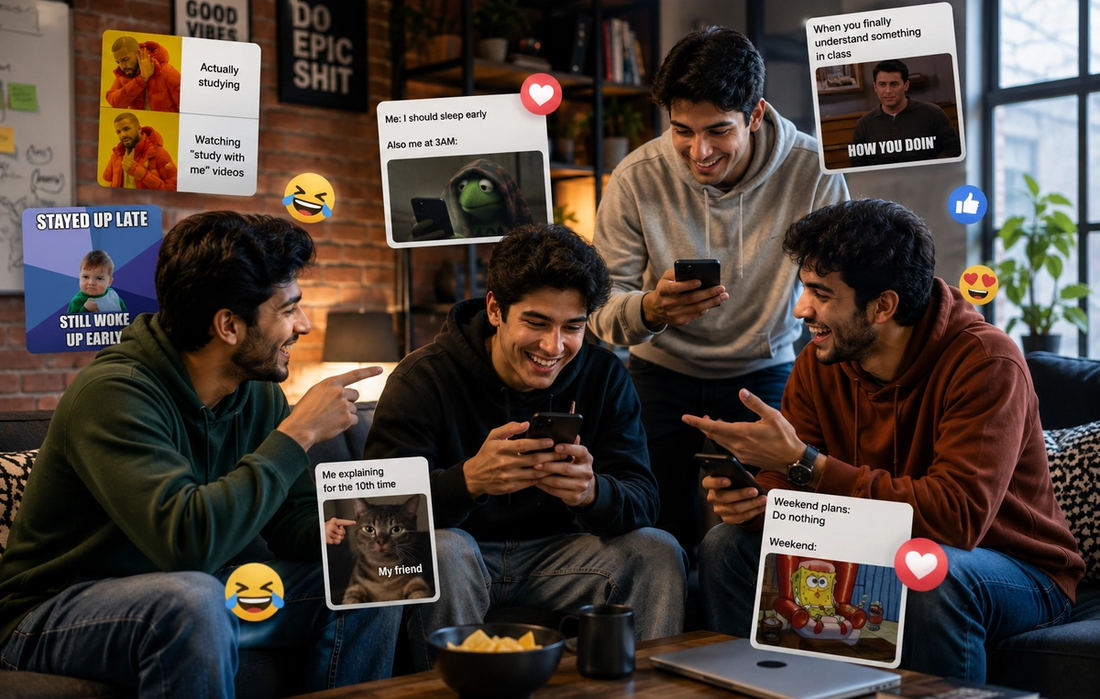
Some websites leave us overwhelmed after a few minutes of scrolling. Others feel noisy, competitive, or exhausting. Yet every now and then, we discover a small online community that feels surprisingly comfortable.
It might be a discussion forum, a Discord server, a newsletter, a group chat, a niche subreddit, or a hobby-focused website. Somehow, these spaces feel different.
People are welcoming. Conversations are thoughtful. Returning feels familiar, almost like walking into your favorite neighborhood café.
That feeling isn’t accidental. It’s created by the people, the shared interests, and the culture that develops over time.
Shared interests create instant connection
One of the internet’s greatest strengths is its ability to bring together people who would never have met otherwise.
Whether someone loves astronomy, baking, cycling, photography, woodworking, or vintage video games, there’s usually a community built around that interest.
Shared passions create an immediate starting point for conversation.
Instead of introducing yourself from scratch, everyone already has something in common. That common ground makes it easier to ask questions, exchange ideas, and build relationships naturally.
People often arrive because of a hobby, but they stay because of the people.
Smaller communities often feel more personal
Massive social platforms can be exciting, but they can also feel anonymous.
In contrast, smaller online communities allow people to recognize familiar names, remember previous conversations, and build trust over time.
As members continue interacting, inside jokes develop, traditions emerge, and newcomers gradually become regular contributors.
These patterns make digital spaces feel surprisingly similar to neighborhoods or local clubs.
Belonging rarely depends on the size of a community. More often, it depends on whether people feel noticed and valued.
Good communities are shaped by their culture
Technology provides the platform, but people create the atmosphere.
Communities where members listen respectfully, welcome newcomers, and share knowledge generously tend to attract others who value those same behaviors.
Over time, these positive interactions become part of the group’s identity.
On the other hand, communities that reward hostility or constant conflict often become less inviting, regardless of how many members they have.
Just like neighborhoods in the physical world, online spaces develop reputations based largely on how people treat one another.
Familiar routines create a sense of belonging
Part of what makes an online community feel like home is consistency.
Perhaps there’s a weekly discussion thread, a regular podcast episode, a daily conversation in a group chat, or familiar members who are always around.
These small routines create a comforting rhythm.
People begin looking forward to checking in, sharing updates, or reading thoughtful discussions over their morning coffee.
The internet becomes less like a collection of websites and more like a place where familiar faces gather.
Home is where people feel safe to contribute
The best online communities encourage participation rather than performance.
People ask beginner questions without fear of being mocked. They celebrate one another’s achievements, offer constructive advice, and admit when they don’t know something.
That sense of psychological safety encourages genuine conversation.
Instead of trying to appear perfect, members focus on learning, helping, and enjoying the community together.
When people feel accepted rather than judged, they naturally become more engaged.
These spaces matter more than we realize
As more of our lives move online, digital communities have become important sources of friendship, learning, creativity, and support.
People find mentors, collaborators, professional opportunities, and lifelong friends through communities built around shared interests.
For some, these spaces provide encouragement that may be difficult to find elsewhere. For others, they’re simply places to relax and enjoy conversations with people who understand their passions.
While they may exist entirely online, the relationships formed there can be very real.
Home isn’t a place—it’s a feeling
The internet often feels enormous, fast, and impersonal.
Yet tucked inside it are countless small communities where people greet each other by name, celebrate milestones, answer questions with patience, and genuinely enjoy spending time together.
Those spaces remind us that technology doesn’t create belonging—people do.
A corner of the internet starts to feel like home when you know you’ll be welcomed, your contributions matter, and you’re free to be yourself without constantly performing for an audience.
In a digital world that can sometimes feel overwhelming, those quiet communities offer something deeply human: the feeling that, even online, you’ve found a place where you belong.