Why the Old Internet Feels So Nostalgic Now
The internet used to feel smaller—and somehow more personal
Ask someone who spent time online in the late 1990s or early 2000s what they remember most, and you’ll often hear the same answer: the internet felt different.
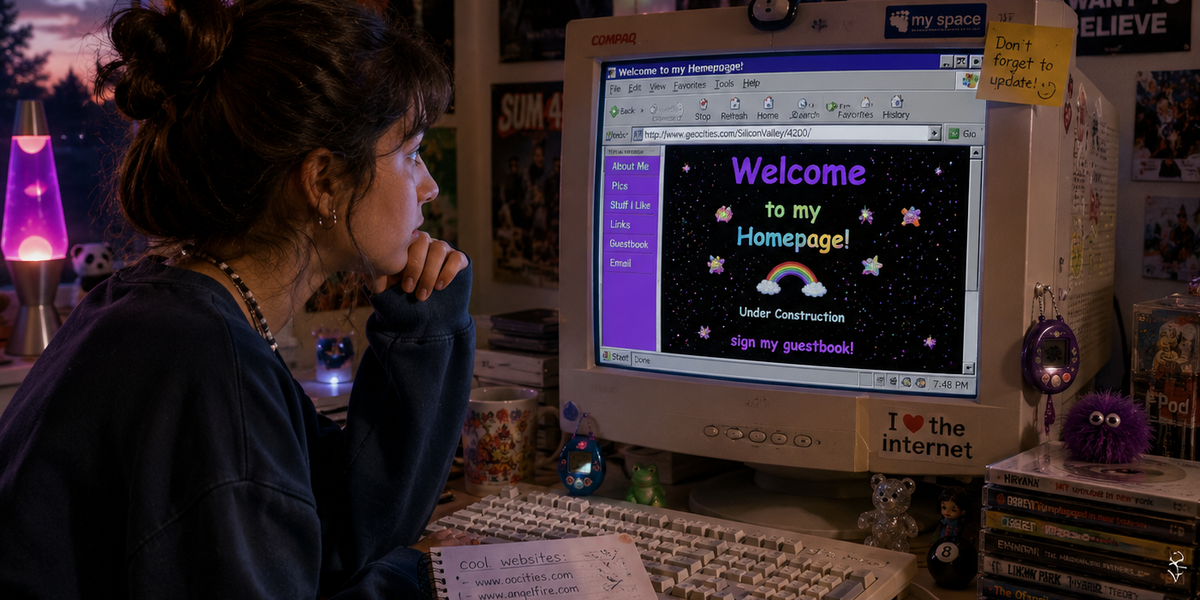
People discovered quirky personal websites, chatted in small forums, customized their profiles, downloaded music, and spent hours exploring corners of the web that felt unique and unpredictable. There was a sense that the internet was something to wander through rather than something designed to keep your attention.
Looking back, many people describe that era with a surprising amount of nostalgia.
It’s not just because it was new. It’s because the experience itself was fundamentally different.
Discovery felt like an adventure
Today, algorithms recommend what to watch, read, or listen to before you even know you’re looking for it.
The early internet worked differently.
Finding interesting websites often meant clicking through links, browsing online directories, or stumbling across something completely unexpected. Every search felt like it might lead somewhere surprising.
That slower, less predictable experience made exploration feel rewarding.
You weren’t simply consuming content chosen for you—you were actively discovering it yourself.
Smaller communities created stronger connections
Before today’s massive social platforms, much of online life happened in forums, message boards, chat rooms, and niche websites.
Communities formed around shared interests rather than popularity. Whether someone loved photography, video games, gardening, or science fiction, they could usually find a small group of people who shared that passion.
Because these communities were smaller, conversations often felt more personal.
People recognized familiar usernames, built lasting friendships, and returned regularly to places that felt like digital neighborhoods rather than crowded public squares.
The internet felt less commercial
Advertising has always existed online, but today’s internet is deeply intertwined with digital marketing.
Influencers promote products, platforms compete for engagement, personalized ads follow users across websites, and businesses constantly optimize for clicks and visibility.
The early internet certainly wasn’t free from advertising, but much of it felt more experimental and community-driven.
People built websites simply because they enjoyed sharing information, creating fan pages, or expressing themselves.
Not every online activity was designed to become a business.
Social media changed how we use the web
Perhaps the biggest difference is how people navigate the internet today.
Instead of visiting dozens of independent websites, many people spend most of their online time inside a handful of apps. News, entertainment, shopping, messaging, and videos are all available without ever leaving those platforms.
This convenience is one of the internet’s greatest strengths.
At the same time, it has reduced some of the variety that once defined the online experience.
Many websites now look similar, follow the same design patterns, and compete according to the same platform rules.
Nostalgia isn’t the same as reality
It’s worth remembering that the old internet wasn’t perfect.
Connections were slow, websites frequently broke, online searches were less reliable, and finding accurate information often required patience. Security was weaker, online shopping was less convenient, and many digital tools people rely on today simply didn’t exist.
Our memories also tend to emphasize the positive experiences while overlooking the frustrations.
The internet is faster, more useful, and more accessible today than ever before.
Nostalgia doesn’t mean the past was objectively better—it means certain parts of it felt unique.
Some of the old internet is making a comeback
Interestingly, many people are rediscovering ideas that were common years ago.
Newsletters, independent blogs, personal websites, forums, and smaller online communities are becoming popular again. Some users are deliberately spending less time on large social platforms and more time in spaces that feel slower and more meaningful.
This shift suggests that people still value genuine conversations and communities built around shared interests.
Technology changes, but the desire for authentic connection remains remarkably consistent.
The internet keeps changing—but curiosity never does
Every generation experiences the internet differently.
For some, nostalgia means personal blogs and early chat rooms. For others, it might be the first years of social media or the rise of online gaming. The specific memories change, but the feeling is familiar: remembering a time when the internet seemed more surprising, more personal, and less crowded.
The old internet lives on not because of outdated technology, but because it reminds people of a period when exploring the web felt like discovering something new every day.
Today’s internet offers incredible convenience and endless possibilities. Yet many people still miss the quieter, more curious web that invited exploration for its own sake. Perhaps the challenge isn’t choosing between the old internet and the new one, but finding ways to keep that sense of curiosity alive in a digital world that moves faster than ever before.